

The field of genomics — the study of an organism’s full DNA blueprint — has exploded over the past two decades. As sequencing becomes cheaper and faster, researchers generate enormous volumes of genomic data. The challenge is no longer sequencing DNA, but understanding it. Artificial Intelligence (AI) has emerged as a powerful solution to interpret, analyze, and derive meaningful insights from these massive datasets.
AI-driven bioinformatics tools are now essential in genomics research. From variant detection to multi-omics integration and clinical decision support, AI is reshaping what genomic scientists can accomplish. This article explores how AI is transforming genomic studies — backed by citations and research evidence.
What Is “Genomic AI” and Why It Matters?
Genomic AI refers to the use of machine learning (ML), deep learning (DL), and generative AI techniques to process, analyze, and interpret genomic and multi-omics data. Traditional computational biology tools struggle with high-dimensional datasets, but AI excels in pattern recognition and predictive modeling.
According to Illumina, AI is now embedded in every stage of genomic sequencing — from signal processing to variant calling (Illumina, 2024).
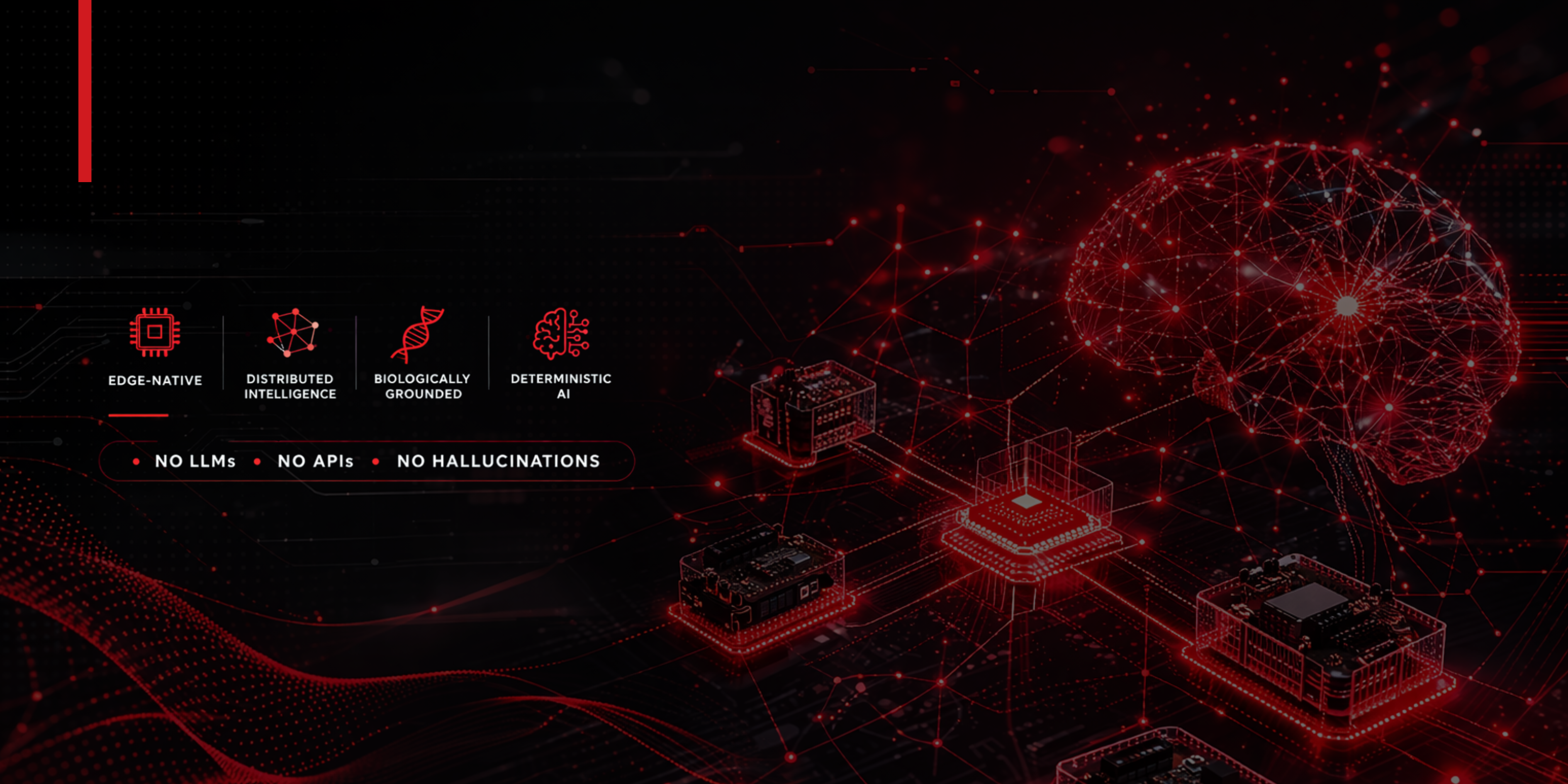
Platforms such as PeachBot Bio demonstrate how AI-powered bioinformatics workflows are becoming accessible even to smaller labs, offering automated genomic analysis, protein prediction, and annotation pipelines.
Main Applications of AI in Genomic Studies
1. DNA Sequencing, Read Alignment & Variant Calling
Deep learning has significantly improved base calling accuracy in long-read sequencing platforms. AI systems can also detect structural variants, small mutations, and rare alleles with higher precision than classical methods (Rancho BioSciences, 2025).
2. Variant Interpretation & Pathogenicity Prediction
Clinical genomics relies on interpreting genetic variants. AI can classify mutations as benign or pathogenic by comparing patterns across thousands of genomes.
AI-assisted genome interpretation has improved rare disease diagnosis success rates, as reported by Genome Medicine (Kim et al., 2021).
3. Multi-Omics Integration
Modern biology involves more than DNA — transcriptomics, epigenomics, proteomics, and metabolomics create a complex systems-level picture. AI integrates these datasets to uncover hidden relationships, regulatory networks, and pathway interactions (DMAME Journal, 2024).
4. Predictive Modeling, Biomarker Discovery & Drug Development
AI is widely used in biomarker discovery for diseases like cancer, allowing early detection and targeted therapy selection. Machine learning models identify gene–disease associations faster than manual computational methods (London Genetics, 2024).
5. Generative AI in Genomics
Recent breakthroughs show generative AI can simulate phenotypes, predict protein structures, and model biological processes.
A 2025 study introduced a “phenotype sequencer” using generative AI to interpret imaging and genetic data simultaneously (Zhang et al., 2025).
Benefits of Using AI in Genomic Research
- Massive speed improvements: AI reduces genome analysis time from weeks to hours.
- Better accuracy: Deep neural networks outperform traditional variant callers.
- Multi-layer insights: AI integrates genomics with epigenomics, transcriptomics, and proteomics.
- Discovery acceleration: Generative AI proposes hypotheses and potential biomarkers.
- Clinical relevance: AI supports precision medicine by identifying actionable mutations.
Challenges & Limitations
- Black-box nature: Many AI models lack transparency, which is problematic for clinical applications.
- Dataset bias: Underrepresentation of global populations leads to misleading predictions.
- High computational needs: Large neural models require GPUs, HPC clusters, and specialized hardware.
- Reproducibility issues: AI results vary significantly across pipelines and datasets.
- Ethical & privacy concerns: Genomic data is highly sensitive and requires strict governance.
Why Platforms Like PeachBot Bio Matter
PeachBot Bio enables labs to perform advanced genomic analysis without needing expensive supercomputers. Their AI-powered workflows include:
- gene sequencing and annotation
- AI-powered protein structure prediction
- sequence alignment pipelines
- SBC-based AI accelerators
Such platforms democratize genomics by providing accessible, automated solutions for academia, biotech startups, and medical centers.
The Future of AI in Genomics
- Multimodal AI combining genetics + imaging + clinical data
- Explainable AI (XAI) systems for medical transparency
- Distributed genomic computing on edge devices
- Standardized pipelines for reproducibility
- Strong ethical frameworks for patient genomic data
Conclusion
AI is redefining genomic research, accelerating discoveries, and bringing precision medicine closer to reality. As computational tools grow more sophisticated — and more accessible — researchers and clinicians can unlock deeper insights into human biology, disease mechanisms, and therapeutic opportunities.
Platforms such as PeachBot Bio will play a key role in democratizing access to AI-driven genomics, enabling breakthroughs across medicine, agriculture, and biotechnology.
References
- Illumina. (2024). AI in Genomics.
- Rancho Biosciences. (2025). Artificial Intelligence & Bioinformatics.
- Kim et al. (2021). AI-driven rare disease genomic interpretation. Genome Medicine.
- DMAME Journal. (2024). AI Techniques in Multi-Omics Integration.
- London Genetics. (2024). How AI Is Transforming Genomic Research.
- Zhang et al. (2025). Generative AI phenotype sequencer.
- PeachBot Bio. (2025). AI-Powered Bioinformatics Platform.