Environmental Intelligence Systems
AI-assisted sensing, ecological analytics, and deployment-ready monitoring workflows for environmental decision support.
Clinical Edge AI System
PeachBot Med & MedAI+ is a deployable clinical edge intelligence system designed for real-time monitoring, on-device processing, and structured decision support in privacy-sensitive healthcare environments.
Supports device integration, distributed deployment, and ongoing clinical validation workflows.
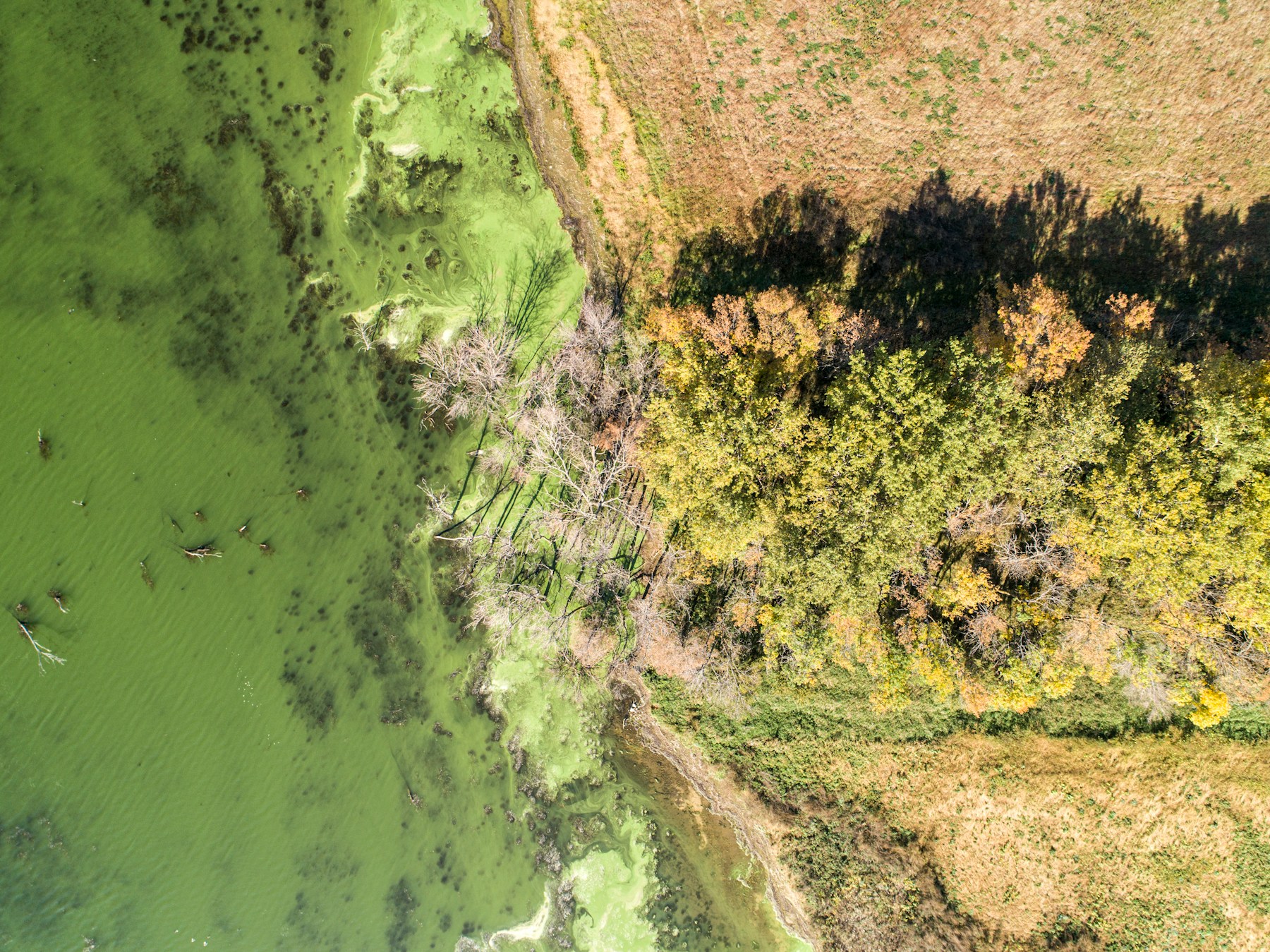
Editorial image source: Unsplash environmental monitoring editorial image
Overview
Environmental Intelligence Systems connect sensor data, remote observations, and AI-assisted analytics to support ecological monitoring, risk awareness, and field decision workflows.
PeachBot treats environmental intelligence as an applied systems problem: data must be collected close to the field, structured responsibly, interpreted with domain context, and presented in a form that supports human review rather than automated overreach.
Distributed sensing
Edge-ready monitoring concepts for water, soil, air, and site-level signals.
Predictive analytics
Pattern detection and trend interpretation for operational environmental insight.
Frequently Asked Questions
Common questions about environmental intelligence, field sensing, ecological analytics, and responsible AI-assisted monitoring.
1. What is an environmental intelligence system?
It is a data-driven system that combines sensing, monitoring, analytics, and AI-assisted interpretation to support ecological and environmental decision workflows.
2. Does it replace expert environmental assessment?
No. PeachBot systems support monitoring and analysis. They are designed to assist human review, field validation, and domain-specific environmental assessment.
3. What data sources can be included?
Typical sources include site sensors, environmental telemetry, image data, remote observations, manual field logs, and structured research datasets.
4. Can it work in low-connectivity locations?
Yes. The system concept supports edge-first processing where practical, allowing local filtering, storage, and delayed synchronization when connectivity is limited.